



Plentiful Earth | Spiritual Store
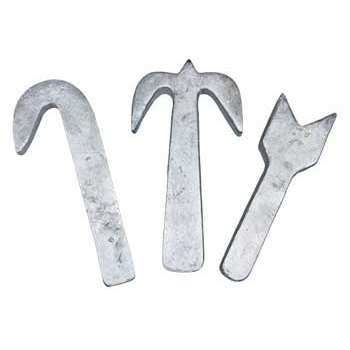
Aggayú Tools, 3-Piece Metal Set for the Orisha of the Volcano
Aggayú Tools, 3-Piece Metal Set for the Orisha of the VolcanoOrders over $50 ship free in the U.S.Other rates are calculated at checkout.
Couldn't load pickup availability
- Primary Spiritual Use: Strength
- Secondary Spiritual Use: Power
- Material: Metal orisha tools, 3 pieces
- Shipping Weight: 0.6 lb
- Element: Fire
- Planet: Mars
- Zodiac: Aries
- Chakra: Solar Plexus
- Ruling Day: Tuesday
- Tradition: Lucumí/Santería
- Intent: Strength, Power, Devotion
Works Well With


Aggayú is the strength under the mountain. In the Lucumí tradition he is the orisha of the volcano, the giant who carries travelers across the river, and the force that moves what nothing else can move. These Aggayú tools are a three-piece metal set made to stand with him as his attributes.
The set is small, and that is as it should be. An orisha's tools are emblems, and an emblem does not need size to carry weight. These are made for the household that tends him.
Key Features of the Aggayú Tools
Three pieces in metal. The set arrives complete, with three implements cast in metal that will last through years of tending.
Made as attributes. These tools represent Aggayú's power and are kept with him. They are devotional objects, not working implements.
Sized for the shrine. The pieces are miniature by design, so they sit with his vessel without crowding it.
Product Details
- Contents: set of 3 metal tools
- Material: metal
- Shipping weight: about 0.6 pounds
- Use: kept with Aggayú's vessel or on his altar
- Tradition: Lucumí (Santería)
The Spiritual Significance
In Lucumí, the religion also called Santería, Aggayú Solá is the orisha of the volcano and of the earth's deep fire. The stories know him as a ferryman of great strength and link him closely with Changó. Devotees turn to him when a burden feels too heavy to lift alone.
His tools stand for that strength in physical form. How they are prepared and how Aggayú is received are ceremonial matters, and they are best learned from practitioners within the tradition. A godparent or elder is the right guide for anyone beginning with him.
How To Use the Aggayú Tools
- Ask your godparent or house how Aggayú's tools are prepared and where they belong.
- Place the three pieces with his vessel or on his altar, following your lineage's custom.
- Keep the metal dry and wipe it with a soft cloth when you tend his space.
- If you are not initiated, you may keep the set respectfully as a devotional object while you learn from people who serve him.
Go slowly and ask questions. The orishas are met through relationship, and relationships take time.
Pairs Well With
- Ochosi Tools, Complete Set: The hunter's attributes, for a house that keeps more than one orisha.
- Oya Tools Brass Crown Set, 8-Piece: Oya's crown and tools honor the orisha of the winds and the marketplace.
- Inle Tools Complete Set: Inle's tools belong to the orisha of the river and of fishermen.
- Orisha Obatalá Oil by Espiritu, 1 oz: An oil in the name of Obatalá, the elder whose calm balances Aggayú's fire.
- Natural Cowrie Shells, 1 Lb: Cowries appear throughout orisha devotion, in adornment and on the altar.
Frequently Asked Questions
Who is Aggayú?
Aggayú, also written Agayú or Aggayú Solá, is the orisha of the volcano in the Lucumí tradition. The stories describe him as a giant ferryman of enormous strength, and they tie him closely to Changó. Devotees honor him as the power that carries heavy burdens.
What comes in this set?
The set includes three miniature metal tools that represent Aggayú's attributes. They arrive together as one set, ready to place with him. The pieces are made for devotional display with his vessel, so they are not sharpened or intended for practical use.
Do I need to be initiated to buy these tools?
You are welcome to buy the set without initiation. Receiving Aggayú and preparing his tools are ceremonial matters, however, and they follow the customs of each house. That knowledge is best learned from practitioners within the tradition, so we encourage you to seek a godparent.
How do I care for metal orisha tools?
Keep the pieces dry, because moisture will dull or rust most metals over time. Dust them with a soft cloth when you tend the altar. If your house teaches a specific way of cleaning or feeding the tools, follow that teaching first.
Is Aggayú a Yoruba deity?
Yes. Aggayú comes from the Yoruba religion of West Africa, where he is known as Aganjú. His worship traveled to Cuba with enslaved Yoruba people and continues today in Lucumí. The name and some of the stories vary between Africa and the Americas.
Spend $50 & enjoy guilt-free shopping with our free shipping on all orders. Get your favorite items delivered right to your door at no extra cost.