Plentiful Earth | Spiritual Store
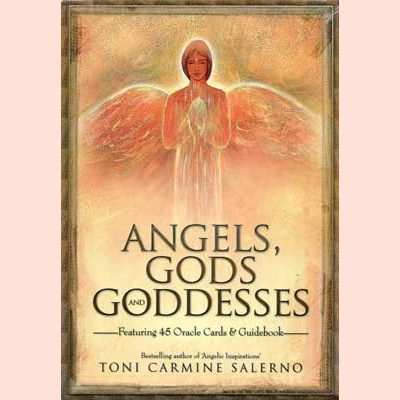
Angels, Gods, and Goddesses Oracle, Set of 45 Cards
Angels, Gods, and Goddesses Oracle, Set of 45 CardsCouldn't load pickup availability
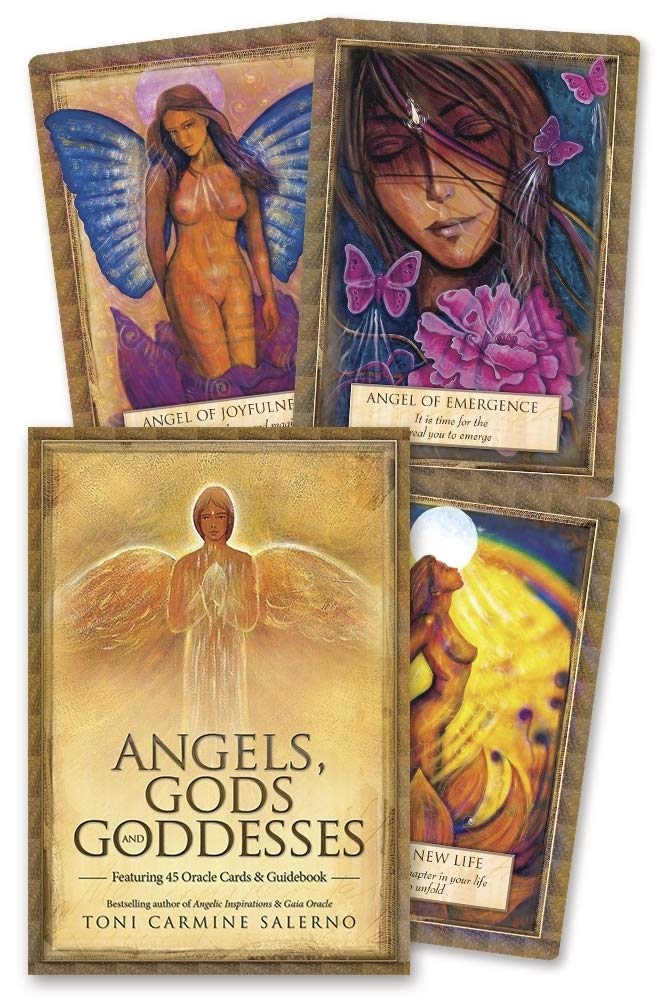
Forty-five cards drawing on angels, gods, and goddesses from a range of traditions, illustrated by Toni Carmine Salerno in the soft, luminous painting style his decks are known for. It is a deck that reads as devotional rather than analytical, and people tend to know quickly whether that is what they want.
The imagery is doing most of the work here. If you respond to it, this deck will suit you; if you prefer stark symbolic systems, it probably will not.
Key Features of the Angels, Gods, and Goddesses Oracle
Forty-five painted cards. Salerno's illustration is the distinguishing feature, and the deck is chosen for it as much as for the structure.
Figures across traditions. Angels alongside deities from several pantheons, which makes the deck broad rather than tied to one path.
A compact box. At roughly five and a half by three and three quarter inches, it travels well and handles comfortably in smaller hands.
Product Details
- 45 cards with a 68-page guidebook
- Box size: approximately 5 1/2 inches by 3 3/4 inches by 3/4 inch
- Created by Toni Carmine Salerno
- Suitable for beginners; no prior knowledge of any tradition required
- Cards are printed stock and will soften at the corners with heavy shuffling. A bag or wrap extends their life.
The Spiritual Significance
A deck that gathers figures from several traditions into one set is doing something worth being thoughtful about. Many of the deities represented in decks of this kind belong to living traditions with their own practitioners, their own protocols, and in some cases their own initiatory requirements. A card is a card; it is not the same as a relationship with a deity, and it does not carry the standing that comes from practice within a tradition.
That is not a reason to avoid the deck. It is a reason to treat what comes up in a reading as an invitation to go and learn properly rather than as the end of the matter. If a figure keeps appearing, the useful next step is usually reading about that tradition from its own sources.
Salerno's approach across his decks is broadly devotional and open rather than technical, which is why these are so often recommended as a first oracle deck. What you get is a set of images to sit with rather than a system to decode.
How To Use the Angels, Gods, and Goddesses Oracle
- Look through the whole deck before reading with it. With imagery-led decks, your response to the pictures matters more than memorizing meanings.
- Cleanse or set the deck however your practice does it, if that is part of how you work.
- Draw a single card and sit with the image before reaching for the guidebook. This deck rewards looking first and reading second.
- If a particular figure recurs, take it as a prompt to learn about that tradition from its own sources rather than only from the guidebook.
- Store the cards wrapped or bagged rather than loose in the box, and the corners will last far longer.
Pairs Well With
- Astrological Oracle Cards by Lunaea Weatherstone: a smaller, more structured deck if you read with more than one.
- Leather-Bound Journal: for recording readings, which is where the learning accumulates.
- Black Brass Cone Incense Burner: for practitioners who set a room before reading.
- Triple Moon Altar Bell, 2 1/2 in: to open and close a reading cleanly.
- Pentacle Altar Tile, 2 3/4 in: a clean surface to lay cards on.
Frequently Asked Questions
Do I need to follow a particular tradition to use this deck?
No, and most people who use it do not. Worth knowing, though: several of the figures represented belong to living traditions with their own practitioners and protocols. A card is an invitation to learn more, not a substitute for practice within a tradition.
Is it good for beginners?
Yes, it is one of the more commonly recommended first oracle decks. The imagery carries the reading, the guidebook is approachable, and there is no system to memorize before you can begin.
How is this different from tarot?
Tarot has a fixed 78-card structure with centuries of shared interpretation behind it. Oracle decks are authored works with their own card counts and structures, so this deck is Salerno's arrangement rather than a traditional system.
Which figures are included?
Angels alongside gods and goddesses drawn from a range of pantheons across the forty-five cards. The guidebook introduces each one, and the spread of traditions is part of what makes the deck broad rather than specialized.
How should I store it?
In a bag or cloth wrap rather than loose in the box. Printed card stock softens and frays with handling, and a wrap slows that considerably. Many readers keep a dedicated cloth for the purpose.

Spend $50 & enjoy guilt-free shopping with our free shipping on all orders. Get your favorite items delivered right to your door at no extra cost.