Plentiful Earth | Spiritual Store
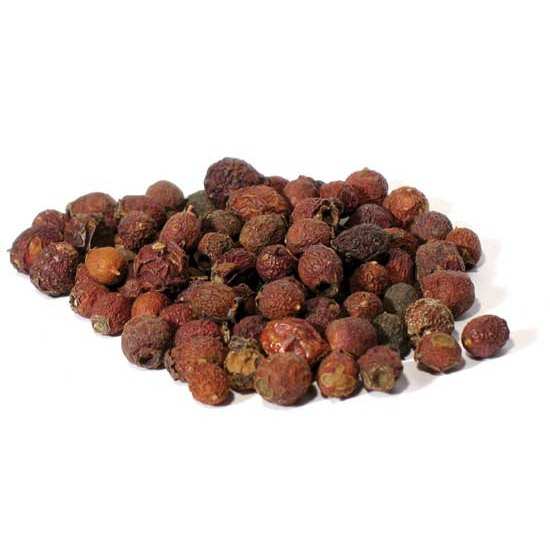
Hawthorn Berries whole 2oz (Crataegus laevigata)
Hawthorn Berries whole 2oz (Crataegus laevigata)Couldn't load pickup availability
-
Ships In 1-2 Days
-
180 Day Returns
-
Trusted By 1,000+ Spiritualists
Few plants carry as much story as hawthorn. Known across the British Isles as the May Tree, the Fairy Tree, the Thorn, and Huath, the hawthorn stands at one of the oldest and most layered crossroads in European plant lore: the threshold between the human world and the realm of the fae, between the heart's protection and its opening, between the dying season and the living one. These whole dried berries — the haws of Crataegus laevigata, the Smooth Hawthorn native to western and central Europe — carry all of that history into your working in a 2oz bag.
The berries ripen in autumn, turning from green to a deep crimson-red that clings to the thorny branches long into the cold months. In the kitchen they have flavored jams, cordials, wines, and syrups for centuries. In the apothecary and in TCM, the berry has long been worked with as a heart tonic, used to support circulation and the body's vital energies. And in folk magic, Wiccan practice, green witchcraft, and Celtic-influenced Paganism, the haw is a tool for protection, heart healing, love magic, and opening the gates between this world and the other. It is one of the most spiritually rich and historically documented herbs in the Western magical tradition.
What you are working with here is whole dried berry, the same form that practitioners across the centuries have used for teas, sachets, charm bags, altar offerings, and ritual infusions. It is versatile, deeply storied, and available to you right now.
Key Features
Whole dried berry, maximally versatile for ritual and herbal use. Whole berries retain more of their character than powdered or cut-and-sifted forms, and give you the most flexibility: you can use them as-is in a sachet or charm bag, grind or crush them for incense or powder, decoct them into a tea or infusion, or place them whole on your altar as an offering. This 2oz portion is enough to supply a solid working practice across multiple uses.
Crataegus laevigata, the European Hawthorn of Celtic and folk magic tradition. While many hawthorn species are used interchangeably in herbalism, C. laevigata is specifically native to western and central Europe, the same hawthorn of Irish, Scottish, Welsh, and English fairy lore, the same May Tree whose blossoms decorated Beltane celebrations, whose presence at the meeting of oak and ash was said to mark a doorway into the realm of the fae. If your practice is rooted in Celtic or British folk tradition, this is the species with the deepest lineage in that body of lore.
A heart herb in every sense. Hawthorn berries carry their associations across both the physical and the magical heart: historically worked with as a cardiovascular tonic in Western herbalism and TCM, and used in magical practice for emotional heart healing, grief support, love magic, and the kind of protection that comes from the heart's own strength. Both dimensions are present in every working you do with this herb.
Product Details
- Botanical name: Crataegus laevigata (Smooth Hawthorn; also known as English Hawthorn, Woodland Hawthorn, May Tree)
- Common names: Hawthorn, Haw, May Tree, Fairy Tree, Whitethorn, Thorn, Hagthorn
- Plant family: Rosaceae (Rose family)
- Part used: Whole dried berry (haw)
- Size: 2oz
- Form: Whole dried berries
- Ogham letter: Huath (H)
- Origin: Western and central Europe (C. laevigata is native to this region)
Herbal safety note: Hawthorn berries have a long history of traditional use and are generally well-regarded in herbalism. However, hawthorn may interact with certain cardiovascular medications including beta-blockers, calcium channel blockers, and digoxin. Anyone on heart medications or with a cardiovascular condition should consult a qualified healthcare provider before working with hawthorn berries internally. This product is sold for ritual and craft use; for internal/herbal use, please follow appropriate preparation guidelines and professional guidance.
The Spiritual Significance
In Celtic Paganism, Druidry, and British and Irish folk magic, hawthorn is one of the most sacred of the three fairy trees, alongside oak and ash. The tradition holds that where these three trees grow together, the fae gather, and that to cut a hawthorn, especially one growing alone in a field or on a hillside, risks drawing the wrath of the fairy folk who shelter there. You can use hawthorn berries in protection workings rooted in this tradition by placing a small bundle of the dried haws above a doorway or windowsill, working with the expressed intention of asking the protective guardianship of the tree to extend to your home. This is an ancient form of household warding, documented in Irish and Scottish folk practice for centuries, and the berries are an accessible way to carry that energy without requiring a live tree or branch.
In Wicca and eclectic witchcraft, hawthorn is closely associated with Beltane (May Day), when the tree blooms with white or pink flowers and the veil between worlds is said to thin. Its correspondences include love, fertility, emotional healing, and the marriage of protection with openness — the thorns that guard the beautiful berry. You can use hawthorn berries in heart-healing rituals and love spells, particularly those aimed at grief processing, emotional repair after loss, or the deepening of an existing bond. Add them to a red or pink sachet alongside rose petals and a piece of rose quartz, hold the bundle over your heart, and speak your intention for healing aloud. Hawthorn is not simply an herb of romantic love; it is an herb of the heart in its fullest sense, and it meets you wherever that heart needs tending.
How To Use
Hawthorn berries are genuinely multi-modal, and the right approach depends on your tradition, your intention, and what you are working toward. Here are several approaches to consider:
In a protection charm or sachet. Place a small handful of whole haws in a cloth pouch alongside other protective herbs such as rosemary or black salt. Hang above your doorway, tuck under a threshold, or carry with you. In Celtic folk practice, this kind of warding sachet is a living continuation of a tradition that stretches back centuries.
In a Beltane or heart-healing ritual. Use hawthorn berries as an altar offering at Beltane, placed alongside flowers, honey, and other symbols of the season. For emotional healing work, create a tea of hawthorn berries (simmered gently for 15 to 20 minutes), sit with it at your altar, and speak your intention for heart healing into the cup before you drink. You might combine this with a quiet journaling practice or a candle lit for your own heart.
In a fairy offering. If you work with the fae or keep a fairy altar, hawthorn berries are a respectful and traditional offering. Place a small bowl of the dried haws at the base of a tree, on your fairy altar, or at a threshold, with a word of greeting and respect. The tradition is clear that hawthorn is their tree; approaching it with acknowledgment rather than entitlement is part of the practice.
In a love or heart-centered sachet. Combine hawthorn berries with rose petals, a pinch of lavender, and a small piece of rose quartz in a red or pink cloth sachet for love magic. This is well suited to heart healing, self-love work, or the deepening of an existing relationship rather than drawing new love from scratch.
In incense or a smoke blend. Dried hawthorn berries can be gently crushed and added to loose incense or herbal smoking blends intended for heart-centered ritual, Beltane celebration, or liminal workings. Combine with rose petals and frankincense resin for a heart-opening incense blend.
Trust your own sense of what this plant is asking of you. Hawthorn has a distinct presence, and many practitioners find it a herb that communicates clearly once you begin working with it.
History & Occult Background
The hawthorn is one of the most extensively documented sacred plants in the European magical tradition. In the Celtic Ogham alphabet, it corresponds to the letter Huath (H) and is one of the sacred trees whose lore is preserved in medieval Irish and Welsh manuscripts. The Druids considered it a tree of threshold and transformation — its flowering at Beltane and its fruiting at Samhain aligning it with both of the great "thin places" in the Celtic wheel of the year, the moments when the veil between this world and the Otherworld was believed to be most permeable.
In Irish and Scottish folklore, the solitary hawthorn growing alone in a field — not planted by human hands — was regarded with particular awe. These trees were understood to be the homes and gathering places of the Sídhe, the fairy folk, and it was considered extremely unlucky to cut them or remove them. Roads were rerouted in Ireland to avoid disturbing solitary hawthorn trees, a tradition documented as recently as the twentieth century. To harvest from a hawthorn was possible, but it required acknowledgment, respect, and an offering left at the tree's roots. That understanding — that the plant is a living being deserving of courtesy — remains part of how many contemporary Pagan and Celtic practitioners approach working with this herb.
In ancient Greece, hawthorn torches were carried at wedding ceremonies to invoke the protection and blessing of Hymen, the god of marriage, and hawthorn blossoms were worn by brides. In ancient Rome, hawthorn leaves were placed in the cradles of newborns as a protective charm against evil influences. These classical associations with love, marriage, and the protection of the vulnerable are consistent across multiple cultures and centuries and speak to the depth and breadth of this plant's significance in the Western world.
Hawthorn also has a substantial documented history in both Western herbalism and Traditional Chinese Medicine. In TCM, the dried berry (known as shān zhā) has been used for at least a thousand years to support digestion and the spleen, stomach, and liver meridians. In European herbalism, the berries, leaves, and flowers were used by apothecaries and folk healers as a heart tonic from at least the first century CE, with Dioscorides noting the plant's uses in his first-century Greek medical text De Materia Medica. Scott Cunningham documented hawthorn's magical properties in his foundational Encyclopedia of Magical Herbs under correspondences of protection, love, and the fairy realm, helping bring its ancient lore into the modern Western magical practice that many contemporary witches work from today.
Pairs Well With
- Pink Rose Petals, 1 lb (Rosa gallica) — Rose and hawthorn are natural companions in heart healing and love magic; combine them in a sachet, a ritual tea, or a Beltane altar offering for a working centered on emotional openness, self-love, or the healing of a wounded heart.
- Red Rose Petals, dried 1oz — Where pink rose petals speak to friendship and gentle heart work, red rose petals bring the full intensity of love and passion; blend them with hawthorn berries in a sachet or simmer pot for love spells and deep heart-centered workings.
- Dried Herbs Collection — Browse PE's full selection of dried herbs to find additional allies for your hawthorn workings: rosemary for protection, lavender for emotional calm, mugwort for liminal and fairy-adjacent workings, and more.
- Black Tourmaline Crystals — Pair hawthorn berries with black tourmaline in a household protection working: the berries carry the warding energy of the fairy tree while the stone grounds and anchors protective force at the energetic level.
- Spell Kits Collection — If you are new to working with hawthorn or herbs in general, PE's spell kits offer structured, intention-specific workings that can give you a solid foundation; hawthorn berries are a natural add-on to any love, protection, or healing kit.
Frequently Asked Questions
What is the difference between Crataegus laevigata and Crataegus monogyna? Can I use them the same way? C. laevigata (Smooth Hawthorn) and C. monogyna (Common Hawthorn) are both European hawthorn species, closely related and overlapping in range. In herbalism they are used interchangeably, and most of the folkloric and magical tradition draws on both species under the general name "hawthorn" without distinguishing between them. C. laevigata is specifically native to western and central Europe and is the species most associated with the Celtic and British folk magic tradition. For most ritual purposes, the two are functionally equivalent.
Can I make a tea from these berries? Yes. Hawthorn berries are traditionally prepared as a decoction: simmer 1 teaspoon of whole or lightly crushed berries per cup of water for 15 to 20 minutes, then strain and drink. They have a mildly tart, slightly sweet flavor. As noted in the safety note above, anyone on cardiovascular medications or with a heart condition should consult a healthcare provider before consuming hawthorn internally.
Is it true you should ask permission before working with hawthorn? In Celtic and British folk tradition, yes. The hawthorn is considered a fairy tree, and the tradition of asking permission before harvesting from it, and leaving an offering in return, is part of a respectful relationship with the plant and its guardians. You are working with dried, already-harvested berries here, so this step has passed; but many practitioners still find it meaningful to acknowledge the plant and its history before working with it, placing a small offering on their altar or at an outdoor hawthorn tree as a way of honoring that relationship.
What is the Ogham association of hawthorn? In the Celtic Ogham alphabet, hawthorn corresponds to the letter Huath (H). Interpretations of its divinatory meaning vary across different Druidic and Celtic reconstruction traditions, but common themes include patience, the importance of right timing, the overcoming of obstacles, and sensitivity to one's inner knowing. It is a tree of thresholds, of waiting, and of the wisdom that comes from pausing before acting.
Can I use hawthorn berries in fairy-related workings? Yes, and they are especially well-suited to this. Hawthorn is one of the most documented fairy trees in Celtic and British folklore, associated with the fae as both their home and their portal. Using hawthorn berries in fairy altars, offerings, or workings that involve communication with the fae or working with liminal energies is deeply traditional. Approach the plant with respect, acknowledge its nature, and, as the tradition suggests, always leave something in return.
Are these berries suitable for Beltane and Samhain rituals? Absolutely. Hawthorn is one of the defining plants of both Celtic fire festivals: its flowers bloom around Beltane, making it central to May Day celebrations and the traditional Maypole and love magic of the season; its berries ripen and fall around Samhain, connecting it to the harvest, the dying of the year, and the thinning of the veil. These dried berries are a Samhain harvest brought to your altar. They are appropriate for workings at any time of year, but they carry special resonance at both of these seasonal thresholds.
How should I store the berries? Keep them in a cool, dry place away from direct sunlight, in an airtight container. A glass jar with a lid is ideal. Properly stored, dried hawthorn berries will retain their potency for one to two years. If you notice a white film developing on some of the berries over time, this is natural sucrose rising to the surface of the dried skin and is not a sign of spoilage.

Spend $100 & enjoy guilt-free shopping with our free shipping on all orders. Get your favorite items delivered right to your door at no extra cost.