



Plentiful Earth | Spiritual Store
Lapis Untumbled Stones, 1 lb
Lapis Untumbled Stones, 1 lbOrders over $50 ship free in the U.S.Other rates are calculated at checkout.
Couldn't load pickup availability
- Primary Spiritual Use: Wisdom
- Secondary Spiritual Use: Protection
- Size: 1 lb
- Material: Lapis lazuli
- Element: Water
- Planet: Venus
- Zodiac: Sagittarius
- Chakra: Third Eye
- Ruling Day: Friday
- Tradition: Wiccan/eclectic
- Intent: Wisdom, Protection, Psychic
Raw lapis is the stone as the trade routes first knew it: rough chunks of the deep blue, gold-flecked rock that caravans carried out of the Badakhshan mountains for six thousand years before anyone thought to tumble it smooth. This pound of untumbled lapis lazuli, sourced from India, brings the wisdom stone to the cabinet in its working rough.
Untumbled is the practitioner's cut for the rough jobs: witch bottles, grid borders, offering bowls, and the standing presence on a study desk.
Key Features of These Lapis Untumbled Stones
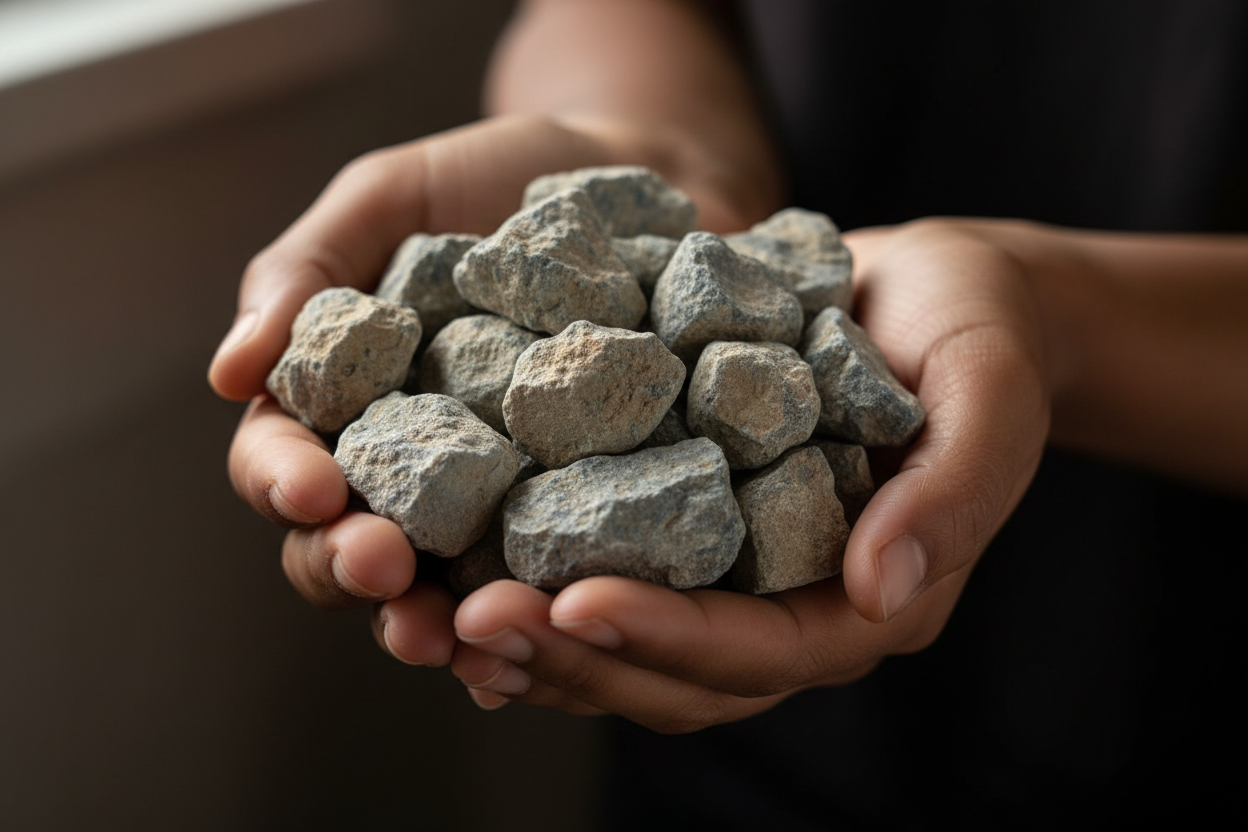
A pound of raw lapis lazuli. Natural, unpolished chunks in varying sizes: deep blue lazurite shot with white calcite veining and the gold glint of pyrite, exactly as it comes from the ground.
The rough cut for rough work. Raw stones weight witch bottles, border grids, and fill offering bowls, the jobs where polish would be wasted and rawness reads as presence.
The wisdom stone. Cunningham seats lapis under Venus and Water; Hall places it at the third eye. The same correspondences carried by its tumbled chip sibling.
Product Details
- Contents: 1 lb of untumbled lapis lazuli, sold by weight
- Material: genuine lapis lazuli, natural and unpolished, sourced from India
- Character: deep blue with white calcite veining and gold pyrite flecks; chunk size and pattern vary widely
- Care: cleanse dry; lapis is a soft stone whose pyrite content dislikes moisture
- SKU: GULAPB
The Spiritual Significance
Before lapis was a polished gem, it was cargo. The rough blue rock traveled out of the Badakhshan mines in exactly this form, by caravan to Sumer's temples and Egypt's workshops, where the pharaohs' artisans called it chesbet and ranked it among the most sacred of materials, grinding some for royal eye paint and saving the best for the tombs. Raw lapis is the stone at that first link of the chain, the form the ancient world actually traded, and there is a quiet rightness to working it unpolished.
Cunningham seats lapis under Venus and the element of Water, and Judy Hall places it at the third eye. Modern practice inherits it as the stone of wisdom, truth, and inner sight, and the raw form suits the heavier expressions of that work. Chunks weight a witch bottle built for truth or protection; a rough blue border walls a study or divination grid; an offering bowl of raw lapis keeps the wisdom thread standing on the desk where the thinking gets done.
How To Use These Lapis Untumbled Stones
- Cleanse them dry. Incense smoke, sound, or overnight moonlight; skip water and salt baths, which are unkind to the soft stone and its pyrite.
- Weight the witch bottle. A chunk or two anchors a truth, protection, or clarity bottle in the oldest folk style.
- Border the grid. Line raw stones along a study or divination grid's outer edge, with polished pieces doing the fine work inside.
- Keep the study bowl. An offering bowl of raw lapis on the desk holds the wisdom thread present between workings.
- For elixirs, never direct. Lapis must not be steeped in drinking water; its pyrite makes direct immersion unsafe. Keep stones beside the vessel, never in it.
Pairs Well With
- Lapis Tumbled Chips, 1 lb: the polished sibling; raw chunks border the grids the chips fill.
- Lapis Lazuli Pyramid, 25-30mm: the carved director for the center of the grid these stones wall in.
- Lapis Lazuli Chambered Pendulum: the divination tool of the same stone.
- Throat Chakra Pillar Candle: the truth-speaking flame the wisdom stones gather around.
- Third Eye Chakra Pillar Candle: the inner-sight flame for the divination side of the work.
Frequently Asked Questions
What is the difference between tumbled and untumbled lapis?
Tumbled stones are polished for handling and display; untumbled stones are raw from the earth. Practitioners reach for the raw form where weight and presence matter more than shine: witch bottles, grid borders, and offering bowls.
Where does lapis lazuli's reputation come from?
From six thousand years of trade out of Badakhshan: Sumerian temples, Egypt's sacred chesbet, Tutankhamun's mask, and the ultramarine pigment of the medieval masters.
Can I make crystal elixirs with lapis?
Only by the strictly indirect method, and never with the stone touching the water: lapis contains pyrite and is not safe for direct immersion in anything you drink.
How do I cleanse raw lapis?
Dry methods only: smoke, sound, or an overnight bath of moonlight. Raw chunks can carry mine dust, so brush them off on arrival, and skip water, salt, and long stretches of direct sun.
How many stones come in a pound?
It varies with chunk size, from a handful of large pieces to a few dozen smaller ones, since raw stone is sold by weight rather than count.
Will my pound match the photo?
Expect real variation: blue depth, calcite veining, and pyrite density differ chunk to chunk, and that range is the signature of genuine lapis rather than dyed imitation.

Spend $50 & enjoy guilt-free shopping with our free shipping on all orders. Get your favorite items delivered right to your door at no extra cost.