



Plentiful Earth | Spiritual Store
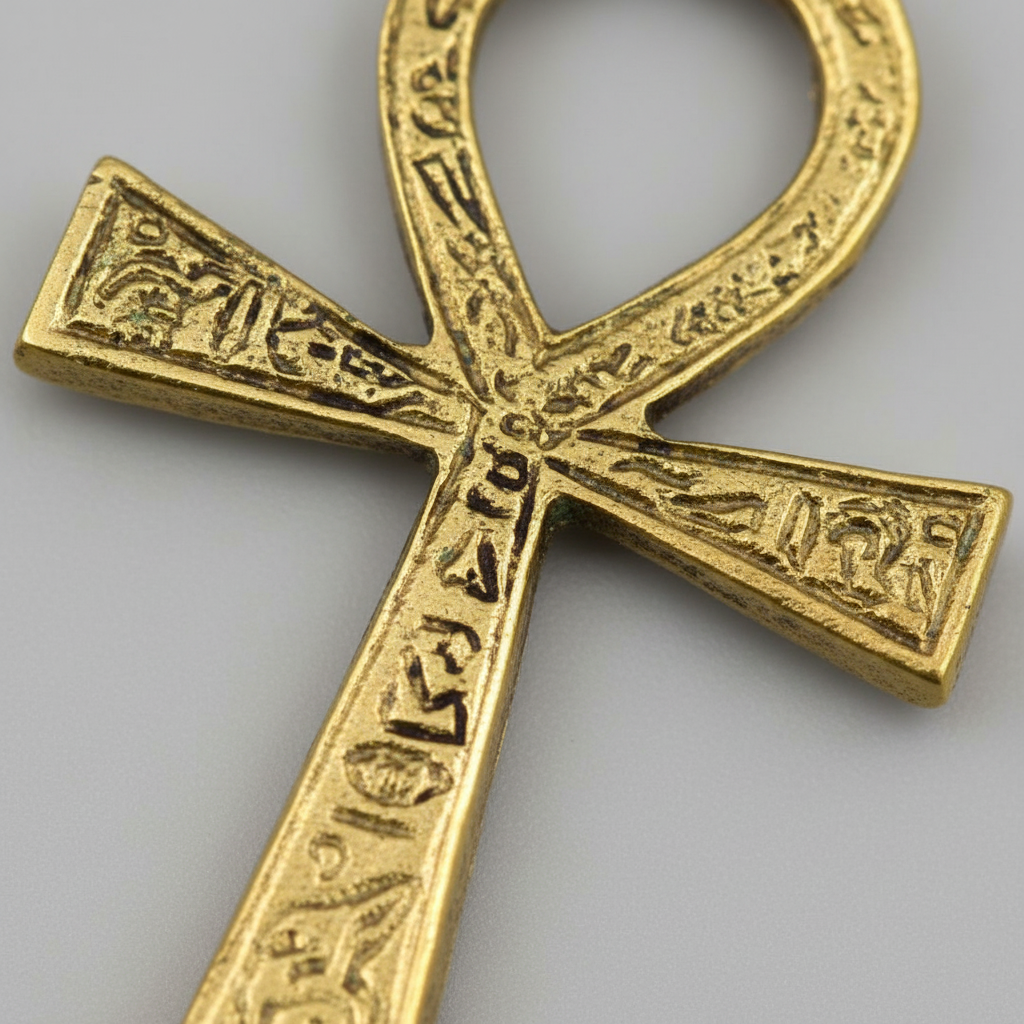
Brass Egyptian Ankh, 2 3/8 x 4 Inches
Brass Egyptian Ankh, 2 3/8 x 4 Inches- Primary Spiritual Use: Connection
- Secondary Spiritual Use: Rebirth
- Element: Fire
- Planet: Sun
- Zodiac: Leo
- Chakra: Crown
- Ruling Day: Sunday
- Tradition: Wiccan/eclectic
- Intent: Connection, Rebirth
Couldn't load pickup availability
The ankh is the ancient Egyptian sign for life itself, the looped cross carried by gods and pharaohs in the old carvings and pressed to the lips of the dead as the breath of life. Cast here in brass and standing about four inches tall, it is often called the key of life, and it makes a quiet, enduring emblem for an altar, a shrine, or a place you want to mark with the idea of vitality and continuance.
Few symbols are as old or as recognizable. To keep an ankh in your space is to keep the oldest written word for life close at hand.
Key Features of This Brass Ankh
The Egyptian key of life. The ankh is the hieroglyph for life and living, a symbol of vitality, continuance, and the link between the earthly and the divine that has been read and carried for thousands of years.
Cast in solid brass. The warm gold tone of brass suits the Egyptian symbolism, and the metal is durable enough to stand on an altar or hang for years without wear.
Altar size, and ready to hang. At about two and three-eighths by four inches it sits well on a shrine or altar, and the open loop at the top lets you thread a cord to hang it on a wall or wear it as a large pendant.
Product Details
- Material: brass
- Size: about 2 3/8 inches wide by 4 inches tall
- The ankh, the Egyptian hieroglyph for life
- Open loop at the top for hanging or threading a cord
- Wipe clean with a dry cloth; brass develops a natural patina over time
The Spiritual Significance
In ancient Egypt the ankh was the written sign for life, and it appears everywhere in the art that survives: held by the loop in the hands of gods, offered to the nose of a king as the very breath of living, laid among grave goods as a wish for life beyond death. Because the gods were shown giving and withholding it, the ankh came to stand not only for life in the body but for eternal life, for the vitality that outlasts a single span of years. Later it was taken up by Coptic Christians as the crux ansata, a cross promising life, and in time it traveled into modern spiritual practice the world over.
Today the ankh is carried and displayed as an emblem of life, vitality, and renewal, and as a link between the earthly and the divine. Practitioners of Kemetic and Egyptian-inspired paths keep it on the altar as a sign of the gods it belonged to; others simply hold it as one of the oldest and most hopeful symbols humanity has made. However you read it, it is a steady reminder of life and its continuance, and it asks nothing of you but to be kept close.
How To Use Your Brass Ankh
- Set it on your altar: place the ankh as a standing symbol of life and vitality, alone or alongside other Egyptian imagery.
- Hang it: thread a cord or chain through the open loop to hang it on a wall, over a doorway, or in a window.
- Carry it: keep the ankh in a pocket or bag as a personal emblem of life and continuance.
- Use it in Egyptian or Kemetic work: include it on a shrine to the Egyptian gods, who were so often shown holding it.
- Make it a focus: hold the ankh during meditation when you want to center your attention on life, renewal, or a fresh beginning.
Pairs Well With
- Lailokens Awen White Altar Candle Set: white altar candles to light beside the ankh in ritual.
- Goddess Pewter Pocket Stone: another small devotional symbol for the altar or pocket.
- Triple Moon Brass Altar Bell: a brass altar bell to open and close work at the shrine.
- White Sage Oil: to cleanse the altar space before you set it.
- Protection Pocket Spellbottle: a sealed charm to carry alongside the symbol of life.
Frequently Asked Questions
What does the ankh symbol mean?
The ankh is the ancient Egyptian hieroglyph for life, often called the key of life. In Egyptian art the gods hold it as the breath of living, so it came to stand for both earthly vitality and eternal life, life that continues beyond a single span of years.
What is it made of, and how big is it?
It is cast in brass and measures about two and three-eighths inches wide by four inches tall. The open loop at the top is part of the ankh's shape, so you can thread a cord through it to hang the piece or wear it as a large pendant.
How do I use a brass ankh?
Most people set it on an altar or shrine as a symbol of life and vitality, hang it on a wall or in a window, or carry it as a personal emblem. It also makes a simple focus for meditation on renewal and fresh beginnings.
Is the ankh a religious symbol?
Yes. It began as a sacred Egyptian sign of life, was later adopted by Coptic Christians as the crux ansata, and today appears in Kemetic and Egyptian-inspired practice as well as in broader spiritual use as one of the oldest emblems of life.
Will the brass change over time?
Brass develops a natural patina as it ages, deepening in tone. That change is normal and many people like it. If you prefer the brighter finish, an occasional wipe with a dry cloth or a little brass polish keeps it gleaming.


Spend $50 & enjoy guilt-free shopping with our free shipping on all orders. Get your favorite items delivered right to your door at no extra cost.